
There is something special rooted in the wonder and magic of a fairy-tale. If you are seeking to experience that magic during a trip to Europe, look no further than the Neuschwanstein castle, nestled in the Bavarian Alps. Neuschwanstein is located in southern Germany, in a region known as the Allgäu region. This region spans through the south of Bavarian Swabia into parts of Austria, from pre-alpine lands to the beginning of the high alps. While it is possible to visit Neuschwanstein via bus tour, the easiest way to visit is by private car. Neuschwanstein is approximately a two-hour drive from Munich and about an hour from Garmisch. The scenic drive from these or any other nearby town is part of the allure. I recommend making a half-day trip out of it to include a castle tour, small hike, and traditional lunch nearby.
As you approach the destination, you will have many amazing views of Neuschwanstein itself and nearby Castle Hohenschwangau. Both structures are perched in high elevation, set to magnificently stand out in the mountainous setting. While both castles are impressive, Neuschwanstein is easily the more stunning of the two. Neuschwanstein is a postcard-perfect example of 19th century Romanticism. Its dramatic and extravagant features captivate at first sight and the lavishness only elevates inside castle gates.
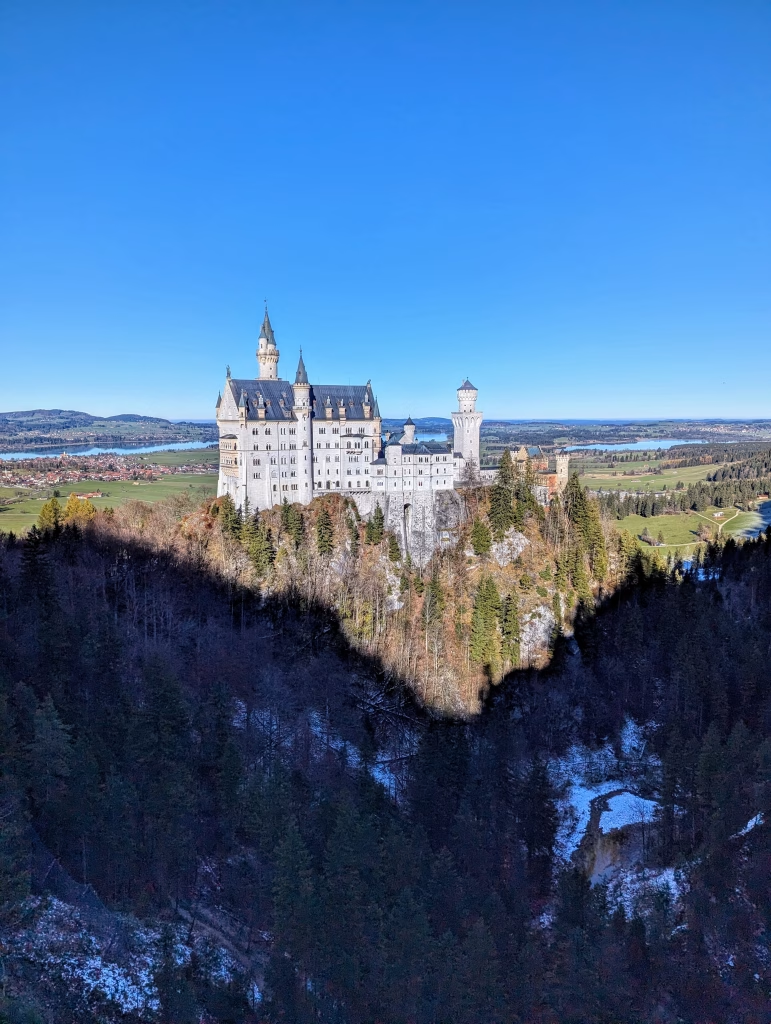
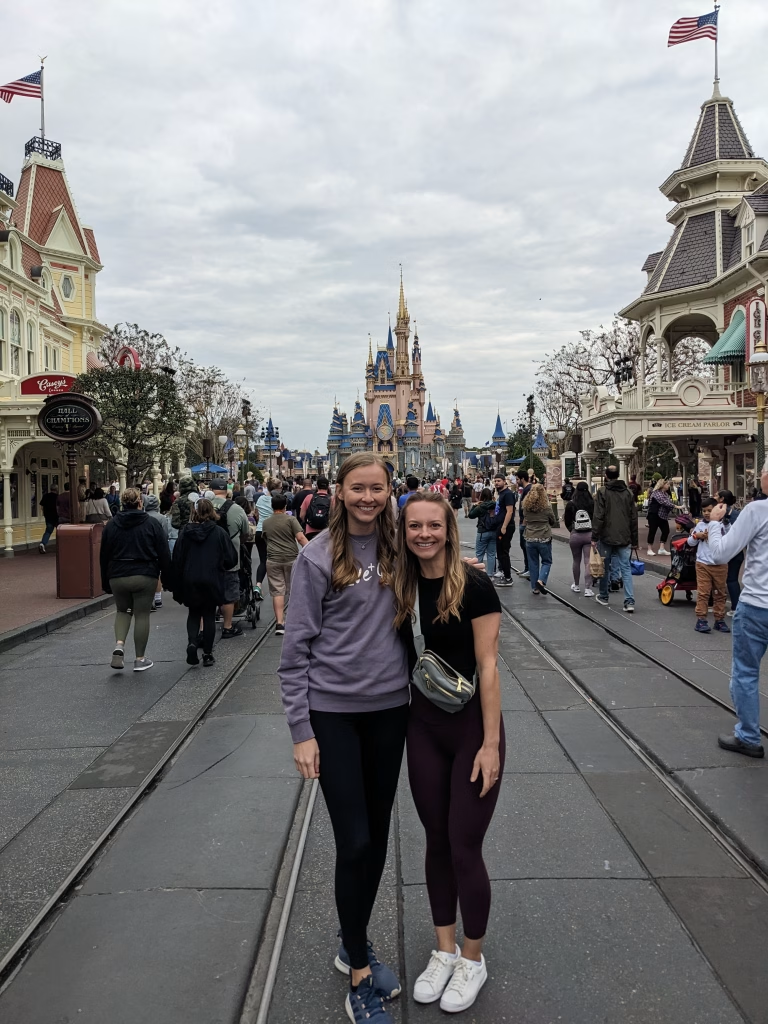
A trip to Neuschwanstein castle makes it easy to understand why Walt Disney was inspired by this impressive structure and the overall beauty of the Allgäu region. Disney visited Neuschwanstein while on a European vacation with his wife prior to opening Disneyland in 1955 – and I guess the rest is history. Neuschwanstein became the primary inspiration source for both Cinderella and Sleeping Beauty’s castles. The beautiful domes, spires, and turrets are architectural features seen later reflected in the Disney World castle which was completed in 1971. Just like the Disney castles, Neuschwanstein attracts visitors of all ages year round. Its impressive fairy tale features are worth setting aside time to admire, even if you are more drawn to the surrounding nature or historical significance than to the Disney inspiration.
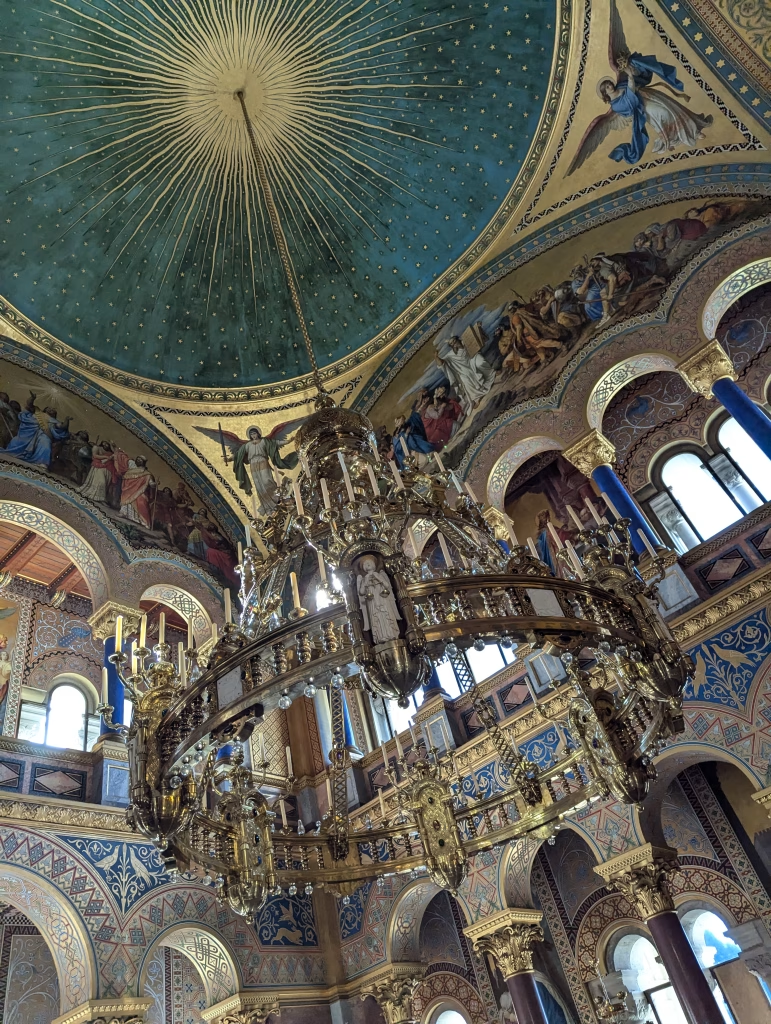
Visiting inside the Neuschwanstein Castle is only permitted through a guided tour. Tickets are available online and allow visitors entry in groups every 15 minutes. If you miss your ticketed entry time by more than 5 minutes, you will not be granted access and cannot reschedule. In peak season, there can be 6,000 visitors per day – giving logical reason as to why strict entry times are adhered to. There really is no way to take this tour “at your own pace.” It is very much guided to limit photography and preserve the integrity of indoor surfaces. Audio guides are offered in multiple languages and provide just the right amount of background history. Adequate time is also built in for visitors to observe the art, furniture, and architecture as you walk through. I was surprised by the mix of traditional and modern features inside. You can tell that the latest technologies of the time were included. Some of my favorite rooms were the throne room, King Ludwig’s bedroom, and the singer’s hall. The castle tour takes approximately 40 minutes in total.
Logistically, I would warn any first-timers to plan for plenty of time to walk from your parking space to the castle grounds. There is a paved path, but it is every bit of a 30 minute uphill trek which is fairly steep and longer than I anticipated. Alternatively, the castle is accessible via shuttle bus and horse drawn carriage. These options are faster, but the bus is normally very crowded and you may have to wait. If physically able, I would recommend walking. The breathtaking scenery makes it worth the effort. Either way, ensure you arrive no less than 45 minutes prior to your ticketed entry time to allow for breaks and/or back up plans if the shuttle is delayed.

At the conclusion of the guided tour, be sure to take a small detour to the nearby pedestrian bridge offering one of the most iconic views of the castle. Follow signs to the Marienbruke (Queen Mary’s Bridge) which is about 10 minutes on foot from where you will exit the castle. The bridge expands over a gorge above Neuschwanstein. The view of the valley and the castle from above are truly enchanting. We visited in November and were happy to find the bridge to be accessible, but it can be closed during the winter months due to slippery conditions. After the grand tour of the castle and grounds, there are a few opportunities to grab a bite to eat. There is a small cafe inside Neuschwanstein, but I recommend something outside for more selection and better prices. Two great options are the Alpenstuben and Schlossrestaurant Neuschwanstein. You will not be disappointed by going for a hearty Bavarian dish after a day of walking! Both restaurants are located down the hill on your return walk to the Neuschwanstein parking areas.

Despite the way it appears externally, Neuschwanstein is not a medieval castle, like many others you may be interested in touring while in Europe. Construction on the castle began in 1869, under the direction of King Ludwig II. Due to construction delays, building the castle took 7 years longer than what was planned. King Ludwig II died prior to its completion and never actually lived in Neuschwanstein. Work stopped on the structure at the time of his death in 1886. Neuschwanstein was opened to the public just seven weeks after his death.
Some may see it as tragic that King Ludwig II never saw his famous castle complete, but his love of architecture lives on through legacy. If you have time, Linderhof Palace is just 50 minutes from Neuschwanstein and is the only castle that King Ludwig II actually inhabited during his 22 year reign as King of Bavaria. Schloss Linderhof (or Linderhof Palace) is a smaller and more private castle. Despite being significantly smaller in building size compared to Neuschwanstein, it is quite opulent inside and has magnificent exterior grounds. The Italian-style gardens are worth a visit themselves. You can walk around outside the palace for free, without a ticket. There is much to enjoy, from ponds to pergolas, a music pavilion and an impressive fountain which operates through natural gradient pressure. The fountain runs every half-hour and can rise up to 22 meters in the air!
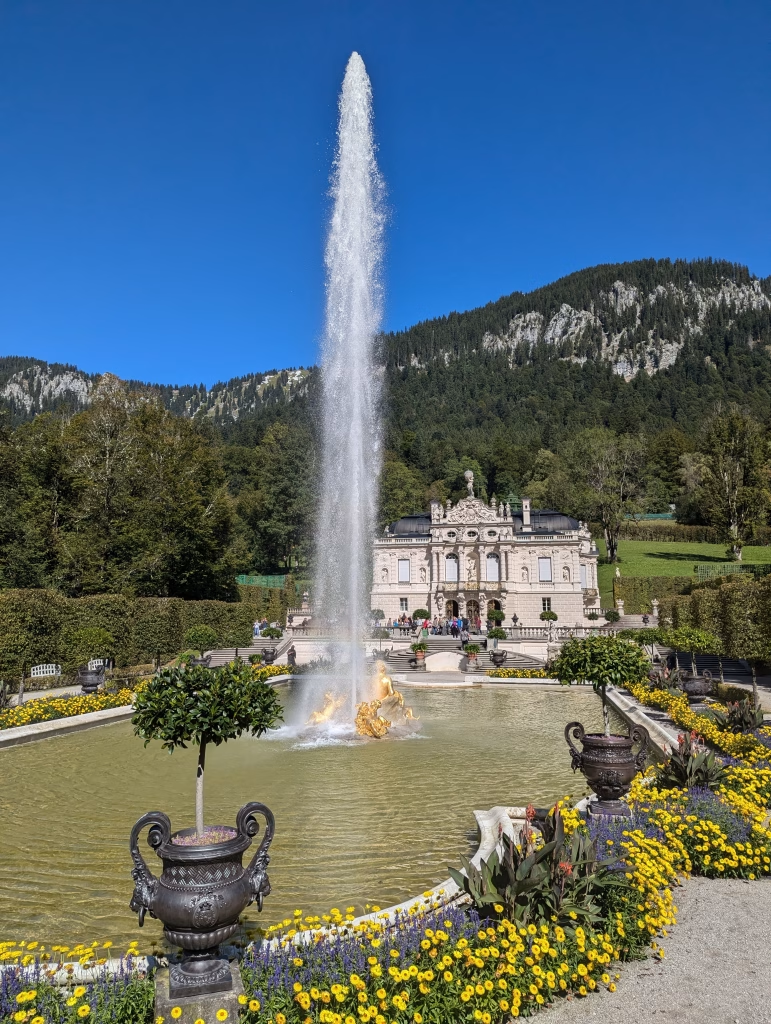
After my first visit to the grounds of Schloss Linderhof, it made immediate sense to me why Ludwig opted to live the majority of the last years of his life at this location. He enjoyed the privacy and retreat it offered. Schloss Linderhof is situated in the alpine woods just 15 minutes from the village of Oberammergau. It is in a very tranquil setting, but adorned with extravagant features. This affinity for extravagance is what ultimately earned Ludwig the title “Mad” King Ludwig. His rule ended in 1886 when royal commissioners declared him mentally unfit. Ludwig died soon after, found drowned in a lake. The building of his costly castles was certainly controversial during his life, but no one seems to complain any more. Within seven weeks of Ludwig’s funeral, tourists were paying to see the castles — and they’re still coming today.

After the German monarchy switched to a democratic republic in 1919 in the wake of WWI, castles including Neuschwanstein, Linderhof, and others became popular sites for tourism. These structures are immaculately preserved and provide an opportunity to enjoy stunning architecture in a fairy-tale setting. They are a gateway to a world of childhood fantasy in the foothills of the alps, with connection to the timeless Disney stories we grew up loving. As UNESCO world heritage sites, both Neuschwanstein and the lesser known Linderhof Palace, rightfully earn a place on any European itinerary.